Fertilizer product lines
Four grades for the agriculture supply chain.
Select a product below to view specifications, origin, and reference photos.
Sulphur
Product: Bright Yellow Sulphur
| Specification | Value |
|---|---|
| Color | Bright Yellow |
| Form of material | Granular |
| Purity (on dry basis) | 99.50% min |
| Ash content | 0.03% max |
| Carbon | 0.03% max |
| Free acid | 0.003% max |
| Moisture | 0.50% max |
| Mechanical impurities (paper, wood, sand, etc.) | Nil |
Commercially free from arsenic, selenium, and tellurium. Moisture in excess of 0.5% shall be proportionately deducted from invoice weight.
- Origin: United Arab Emirates, Turkmenistan, India, Saudi Arabia, Uzbekistan, and Kazakhstan
- Uses: Fertilizer, chemical synthesis, rubber vulcanisation, detergents, petroleum refining, dyes, pharmaceuticals, explosives, pesticides, photography
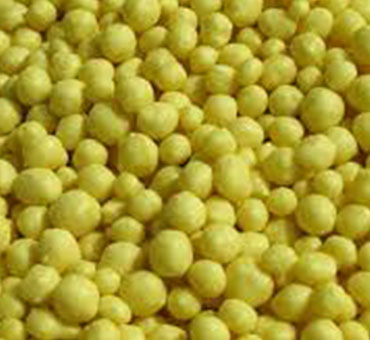
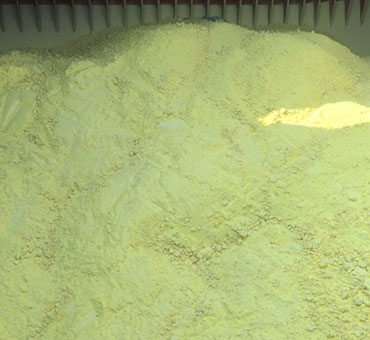
Sulphur Bentonite
What is sulphur bentonite fertilizer? A form of granular fertilizer which provides the required sulfur for plants and helps rectify alkaline soil. The granules are composed of very few components, formulated with expansive substances that disintegrate the granules and scatter them through the soil.
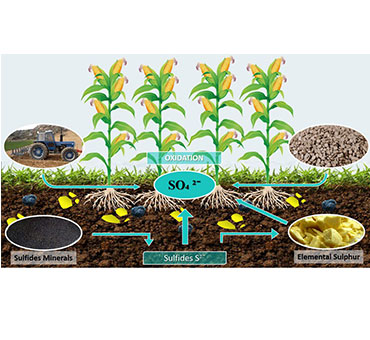
Sulfur is abundantly available in plants, especially in their leaves. This element is responsible for producing protein in plants, and its most important task is contributing to the creation of amino acids and, consequently, protein synthesis — an important factor in making essential vitamins for plant metabolism. Sulphur bentonite fertilizer is one of the most significant suppliers of uncommon and rare elements for agricultural and garden plants.
Advantages of sulphur bentonite fertilizer
Mixture of organic materials and the alkaline nature of agricultural land can reduce soil fertility and create environmental problems. In regard to the benefits of sulfur in nature, applying sulphur bentonite fertilizer can remove many of these problems:
- Disinfects the soil as a result of its fungicide feature
- Releases the integrated nutrients of the soil
- Plays an important role in plant synthesis, increasing growth
- Lowers the pH of alkaline soils, improving absorption of nitrogen, phosphate, and micro-nutrients
- Increases plant resistance against coldness
- Converts into sulfate, providing plants with a required nutrient
- Enhances the natural fragrance of some plants and vegetables through volatile sulphur components
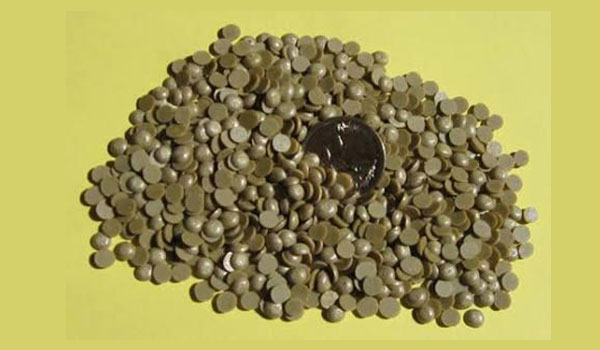
Urea
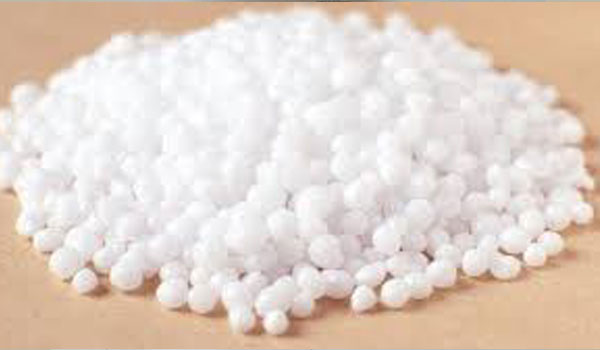
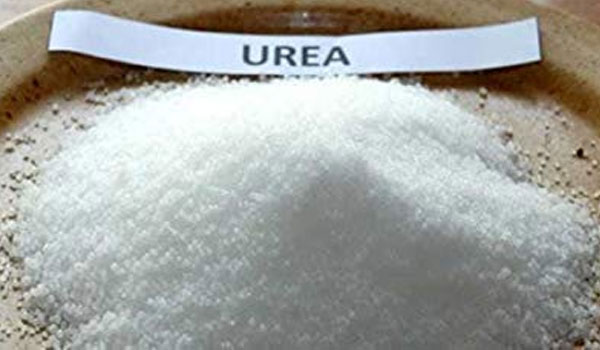
Urea, also known as carbamide, is an organic compound with chemical formula CO(NH₂)₂. This amide has two –NH₂ groups joined by a carbonyl (C=O) functional group.
Urea serves an important role in the metabolism of nitrogen-containing compounds by animals, and is the main nitrogen-containing substance in the urine of mammals. It is a colorless, odorless solid, highly soluble in water, and practically non-toxic. Dissolved in water, it is neither acidic nor alkaline. Urea is widely used in fertilizers as a source of nitrogen and is an important raw material for the chemical industry.
Urea is an inexpensive form of nitrogen fertilizer with an NPK (nitrogen-phosphorus-potassium) ratio of 46-0-0. Although urea is naturally produced in humans and animals, synthetic urea is manufactured with anhydrous ammonia. While urea often offers the most nitrogen for the lowest price on the market, special steps must be taken when applying it to the soil to prevent nitrogen loss through chemical reaction.
| Specification | Value |
|---|---|
| Nitrogen content | Min 46 wt% |
| Biuret content | Max 1.0 wt% |
| Moisture | Max 0.3 wt% |
| Particle size (1–2.4mm) | Min 90%, or 2–4mm granular urea |
| Urea formaldehyde (UF) | Max 0.4% |
| Packing | 50kg bags / bulk urea |
Muriate of Potash (MOP)
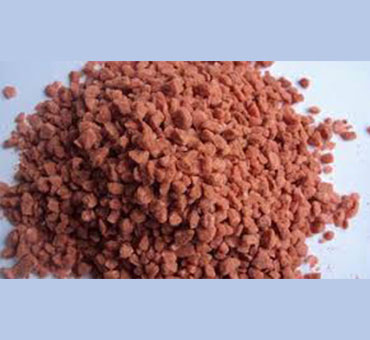
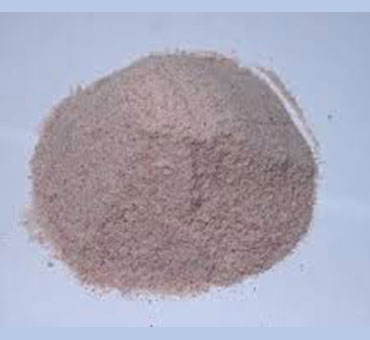
Muriate of potash, also known as potassium chloride, contains 60% potash. Potash is essential for plant growth and quality, playing a vital role in the production of proteins and sugars. It also protects against drought by maintaining plant water content, which benefits photosynthesis as leaves maintain their shape and vigor. We source product globally from the highest standard producers.
| Specification | Value |
|---|---|
| K₂O | 60.0% min |
| NaCl | 3.5% max |
| KCl | 95.0% min |
| Moisture | 1.0% max |
| Appearance | Pink powder, free flowing, free from harmful substances |
Sourcing fertilizer?
Tell us the grade, tonnage, and destination port.
We'll confirm origin, availability, and indicative pricing directly.